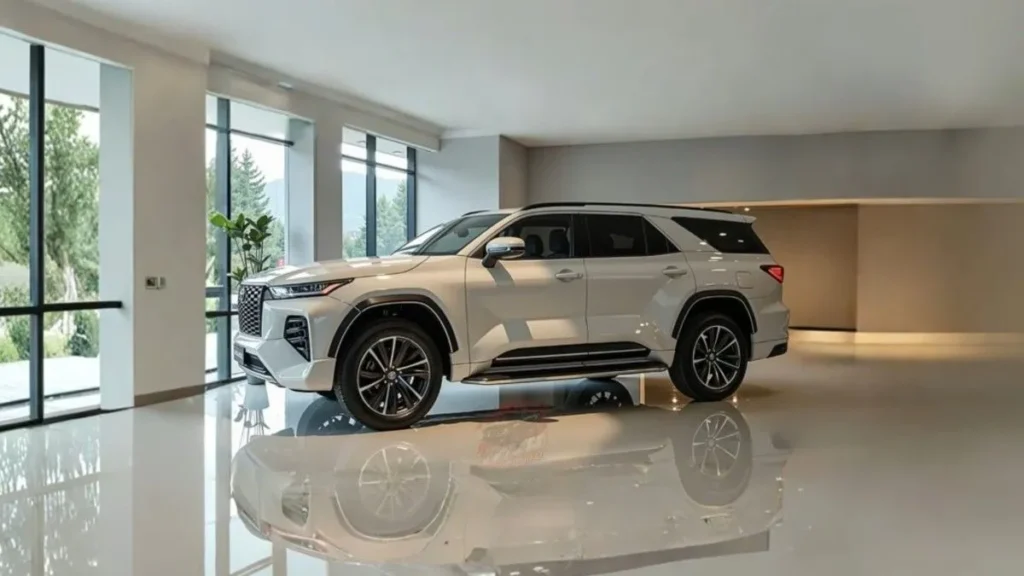
Toyota Highlander vs Fortuner:
Will Toyota Really Bring the Highlander to India?
Ground-Reality Analysis for Indian Buyers (2026)
For nearly a decade, one SUV has enjoyed an almost uncontested reign in India’s premium SUV space — the Toyota Fortuner.
It isn’t just a vehicle. It’s a statement. For many Indian families and business owners, owning a Fortuner signals arrival — social, financial, and emotional.
But quietly, without Toyota saying a single word officially, another name has started floating around enthusiast circles and search trends: Toyota Highlander.
Is Toyota planning a surprise move?
Is Highlander the “Fortuner killer” YouTube thumbnails scream about?
Or is this just another case of internet hype running ahead of reality?
This article is written with one promise: no fake launch dates, no speculative pricing games, and no sensational headlines.
Instead, we’ll break this down logically — the way an informed Indian buyer should look at it.
By the end, you’ll clearly understand:
- What the Toyota Highlander actually is (and what it is not)
- Why Indians are suddenly curious about it
- How it fundamentally differs from the Fortuner
- Why Toyota is extremely cautious about bringing it here
- And what buyers should realistically do today
What Exactly Is the Toyota Highlander?
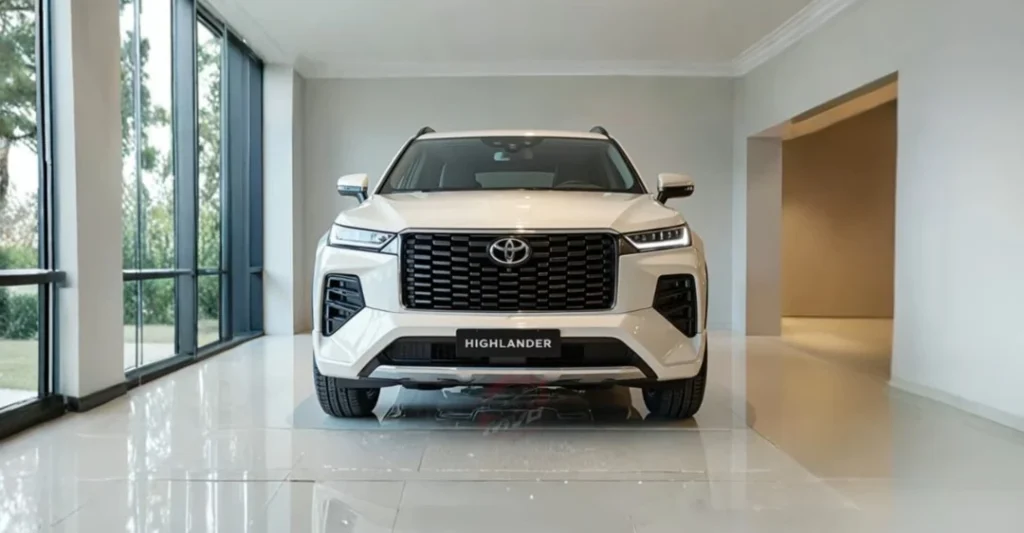
Globally, the Toyota Highlander is positioned as a three-row midsize SUV built primarily for:
- Family comfort
- Long-distance highway stability
- Quiet cabins and premium interiors
- Hybrid efficiency rather than brute force
It is hugely popular in markets like the USA, Canada, Australia, and parts of the Middle East, where buyers prioritise refinement over ruggedness.
In Toyota’s global lineup, Highlander sits:
- Above the RAV4
- Below the Land Cruiser family
Here’s a crucial point many Indian articles miss:
Highlander is not an off-road SUV.
It is not designed to climb rocks, wade through slush, or intimidate traffic with size and stance. Instead, it’s meant to feel:
- Smooth
- Car-like
- Easy to drive daily
- Relaxing on highways
That single design philosophy already puts it in a very different category from the Fortuner.
Why Are Indian Buyers Suddenly Talking About the Highlander?
This curiosity didn’t appear overnight. It’s the result of several slow but meaningful changes in the Indian car market.
1. Premium Buyers Are Evolving
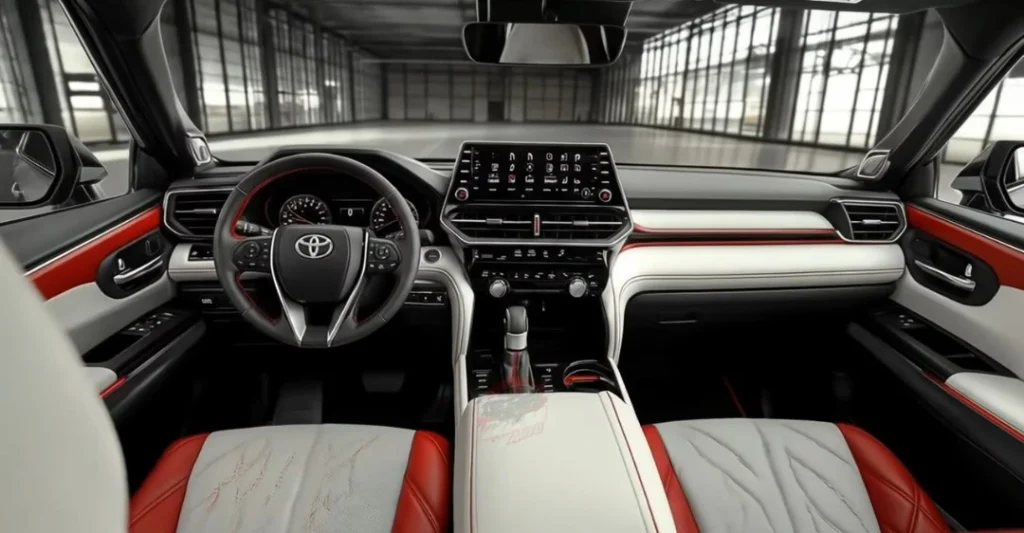
A decade ago, bigger and tougher automatically meant better.
Today, many ₹35–50 lakh buyers are asking different questions:
- Is the ride comfortable on broken city roads?
- Does the cabin feel modern or outdated?
- Is the car tiring to drive daily?
For these buyers, ladder-frame toughness is no longer the top priority.
2. Hybrid Thinking Is Gaining Ground
Rising fuel prices and crowded cities have made buyers more open to hybrids — especially when the brand is Toyota.
The success of models like Toyota Innova Hycross and Toyota Urban Cruiser Hyryder has proven one thing clearly:
Indian buyers are ready to pay more upfront for smoothness and long-term efficiency.
Highlander Hybrid fits perfectly into this mindset.
3. A Certain Fatigue With the Fortuner (Among Urban Buyers)
Let’s be honest — and fair.
The Fortuner is still a massive success.
But some city-centric buyers now quietly complain about:
- A stiff ride on bad roads
- An interior that hasn’t evolved enough
- A driving feel that’s more “truck-like” than relaxing
These buyers aren’t anti-Fortuner.
They’re just looking for a different flavour of premium.
Toyota Highlander vs Fortuner: Same Badge, Totally Different Soul
On paper, both wear a Toyota logo and seat seven people.
In reality, they’re built for completely different users.
The Fundamental Engineering Difference
| Aspect | Fortuner | Highlander |
|---|---|---|
| Platform | Ladder-frame | Monocoque |
| Ride Quality | Firm, heavy-duty | Smooth, car-like |
| Driving Feel | Commanding, tall | Stable, confidence-inspiring |
| Engine Focus | Diesel dominance | Petrol & Hybrid |
| Off-road Ability | Strong | Minimal |
| Buyer Mindset | Power + status | Comfort + refinement |
The truth:
These two SUVs are not direct rivals. They serve different emotional needs.
Comparing them as enemies is like comparing a luxury sofa to a wooden dining chair — both have value, but for different rooms in the house.
The Big Question: Is Toyota Highlander Coming to India?
Short, honest answer: No official confirmation.
As of now:
- Toyota India has made zero announcements
- No homologation or regulatory filings are public
- No dealer-level confirmation exists
If you see headlines claiming:
“Toyota Highlander India launch confirmed”
You can safely assume it’s speculation, not fact.
Then Why Do These Rumours Keep Returning?
Because logic keeps reopening the discussion, even when official news doesn’t exist.
Reason 1: Toyota’s Global Direction
Worldwide, Toyota is:
- Reducing dependence on diesel
- Expanding strong hybrid portfolios
- Aligning with stricter emission norms
India is slowly moving in the same direction — even if policy moves are gradual.
Reason 2: A Clear Gap in India’s Premium SUV Space
Between ₹35–45 lakh, there’s room for:
- A premium
- Comfortable
- Tech-loaded
- Non-rugged Toyota SUV
Highlander fits this slot perfectly on paper.
Reason 3: Hybrid Acceptance Is No Longer a Question
Earlier, Toyota itself wasn’t sure if Indians would accept expensive hybrids.
Now, sales numbers have answered that doubt.
The Biggest Reason Toyota Is Still Hesitating
This is the most important part — and the least discussed online.
The Fortuner Is Toyota India’s Gold Mine
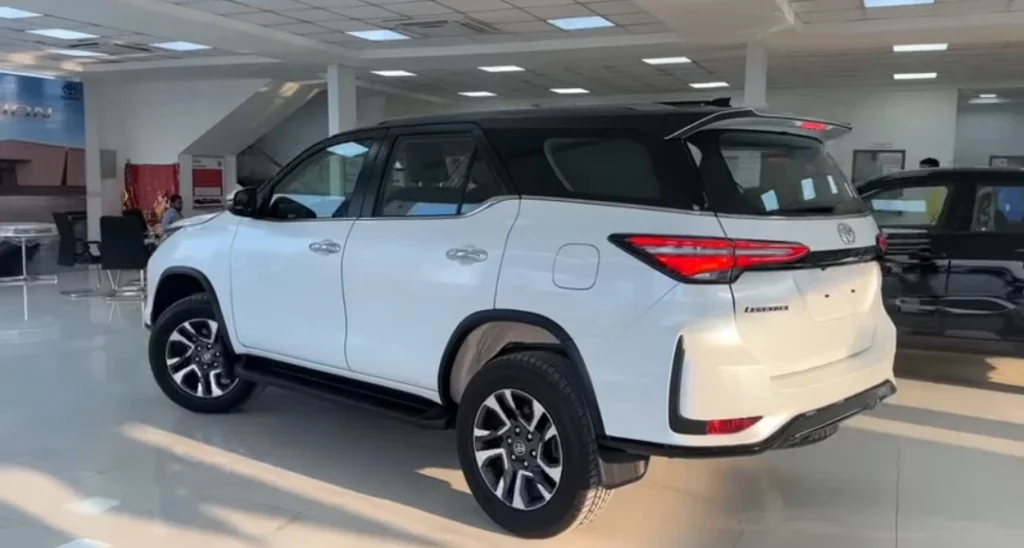
The Fortuner:
- Sells without heavy discounts
- Has legendary resale value
- Needs almost no advertising
- Faces no real emotional competitor
Launching Highlander creates one major risk:
Sales Cannibalisation
Some Fortuner buyers may shift to Highlander.
That means Toyota doesn’t gain a new customer — it just shifts money from one pocket to another.
From a business point of view, disturbing a perfectly running machine makes no sense.
Pricing Reality Check (If Highlander Ever Comes)
Let’s be brutally realistic.
Because of:
- Import duties (CBU or CKD)
- Hybrid technology
- Larger global-spec build
Highlander would likely sit around:
₹45–55 lakh (ex-showroom)
At this price:
- Buyers expect near-luxury experience
- Competition becomes intense
- Volumes drop sharply
Toyota India traditionally prefers low-risk, high-certainty strategies.
Will Highlander Replace the Fortuner?
Absolutely not.
Fortuner Buyers Usually Want:
- Road dominance
- Diesel torque
- Tough image
- Proven reputation
Highlander Buyers Would Want:
- Comfortable daily driving
- Silent hybrid operation
- Premium interiors
- Stress-free long journeys
If Highlander ever comes, it will co-exist, not replace.
Should Toyota Bring the Highlander to India?
From a Buyer’s Perspective
Yes — India deserves refined, hybrid SUVs
Comfort-focused premium cars are the future
It fills a genuine gap
From Toyota’s Business Perspective
High risk
Possible Fortuner overlap
Limited volumes
This mismatch explains Toyota’s slow, careful approach.
What Should Indian Buyers Do Right Now?
If you’re waiting only for Highlander:
- Don’t pause life decisions
- No confirmed timeline exists
If your needs are clear:
- Comfort + Toyota reliability → Hycross
- Rugged premium SUV → Fortuner still dominates
Waiting on rumours usually ends in frustration.
FAQs – Real Questions, Straight Answers
1. Is Toyota Highlander officially confirmed for India?
No. There is no official confirmation.
2. Will Highlander be cheaper than Fortuner?
Very unlikely. Hybrid tech will push prices higher.
3. Can it challenge Fortuner’s dominance?
It may attract a niche audience, not dethrone Fortuner.
4. Petrol, diesel, or hybrid?
Globally petrol and hybrid. Diesel chances are slim.
5. Is it better for family use than Fortuner?
Yes, for comfort. No, for rugged use.
Final Words:-
Toyota Highlander is not coming to India to “kill” the Fortuner.
That idea sounds exciting — but reality is far more practical.
If Highlander ever arrives:
- It will be niche
- Comfort-focused
- Carefully priced
- Non-threatening to Fortuner
Until then, the Fortuner remains exactly what it has always been in India:
Emotionally powerful, socially dominant, and brutally successful.
Thank you for reading till the end.
If you appreciate honest, no-nonsense car analysis — you’re exactly the kind of reader this website is built for. ❤️