
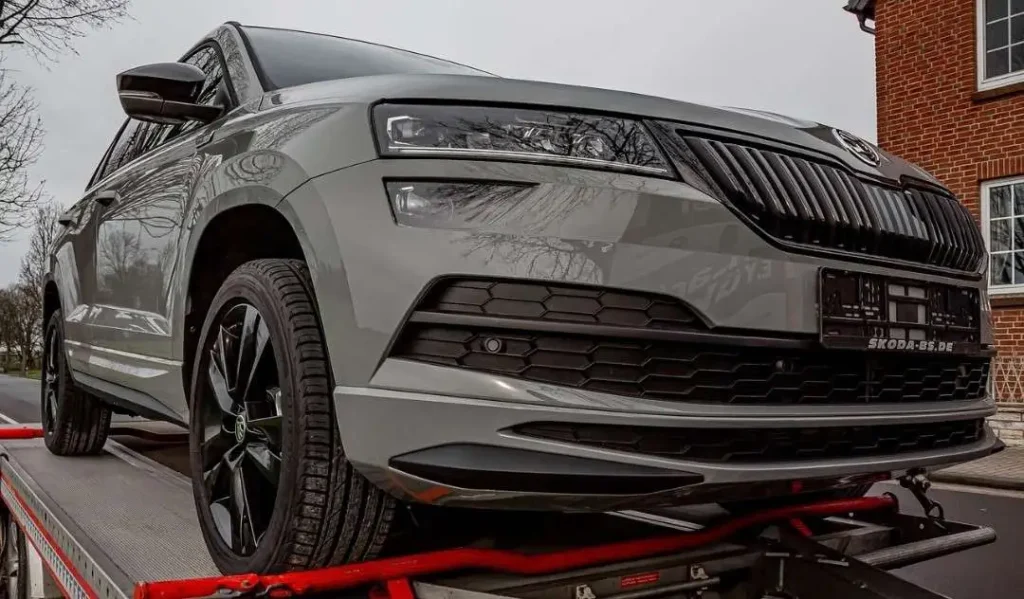
Turbo Petrol Engine Problems in Indian Traffic – Are They Really Risky?
Introduction: Turbo Petrol Engines – Smart Technology or Silent Trouble?
Turbo petrol engines have become extremely common in India today. From small hatchbacks to mid-size SUVs, almost every new petrol car now comes with a turbocharged engine option. Car manufacturers promise more power, better mileage, and lower emissions, all from smaller engines.
But one important question still worries Indian car buyers:
Are turbo petrol engines actually suitable for Indian traffic conditions?
Daily realities like bumper-to-bumper traffic, extreme summer heat, stop-and-go driving, and inconsistent fuel quality are hard on any engine. Many turbo petrol car owners report issues like turbo lag, overheating, low real-world mileage, and expensive maintenance.
So, are turbo petrol engines a future-ready smart choice,
or a risky experiment for Indian roads?
Let’s break down the truth — clearly, honestly, and without brand bias.
What Is a Turbo Petrol Engine? (Simple Explanation)
A turbo petrol engine uses a turbocharger to push extra air into the engine. More air mixed with fuel produces higher power from a smaller engine.
Why car manufacturers prefer turbo petrol engines:
- Smaller engine size = lower emissions
- Higher power output
- Strong highway performance
- Helps meet BS6 and upcoming BS7 emission norms
On paper, turbo petrol engines look perfect.
But Indian driving conditions are far from ideal.
Common Turbo Petrol Engine Problems in Indian Traffic
1. Turbo Lag in City Driving
Turbo engines perform best at higher RPMs.
In slow, congested city traffic:
- Turbo doesn’t spool properly
- Car feels dull at low speeds
- Sudden acceleration feels delayed
Indian reality:
Traffic rarely allows smooth acceleration. As a result, turbo lag becomes noticeable and irritating, especially for daily commuters.
2. Engine Heating in Stop-and-Go Traffic
Turbochargers generate a lot of heat. Combine that with:
- Long traffic jams
- 40°C+ summer temperatures
- Continuous idling
And you get:
- Faster heat buildup
- Extra stress on engine oil
- Reduced turbo lifespan if cooling isn’t perfect
Over time, excess heat can damage turbo seals and cause oil leaks.
3. Poor Real-World Fuel Efficiency
Turbo petrol cars show attractive mileage figures on paper.
But real Indian driving tells a different story.
In city traffic:
- Turbo activates frequently
- Engine burns more fuel
- Mileage drops sharply
Many owners report:
- City mileage worse than naturally aspirated petrol engines
- Aggressive driving reduces efficiency even further
Turbo petrol engines reward smooth, disciplined driving, not chaotic traffic conditions.
4. High Maintenance and Repair Costs
This is one of the biggest hidden disadvantages.
Turbo petrol engines come with:
- Turbocharger
- Intercooler
- Extra sensors
- High-pressure components
If something fails:
- Turbo replacement is expensive
- Repair costs are much higher than NA petrol engines
- After warranty, expenses can shock owners
A turbo replacement can easily cost ₹1–2 lakh or more, depending on the car.
5. Sensitivity to Fuel Quality
Turbo petrol engines are highly sensitive to:
- Low-quality petrol
- Fuel adulteration
- Inconsistent octane levels
In many parts of India:
- Fuel quality varies
- Poor fuel causes engine knocking
- Long-term damage risk increases
Regular use of low-quality fuel can significantly shorten turbo life.
Are Turbo Petrol Engines Bad for Indian Conditions?
The honest answer: No — but they’re not for everyone.
Turbo petrol engines are suitable if:
- You drive mostly on highways
- You follow proper maintenance schedules
- You use good-quality fuel
- You practice warm-up and cool-down habits
- You don’t plan extremely long ownership (8–10 years)
Turbo petrol engines can be risky if:
- Your driving is mostly in heavy city traffic
- Maintenance is irregular
- You want long-term reliability with low costs
- You expect the simplicity of old NA petrol engines
Turbo Petrol vs Naturally Aspirated Petrol (Indian Conditions)
| Factor | Turbo Petrol | NA Petrol |
|---|---|---|
| City Driving | Average | Excellent |
| Highway Performance | Excellent | Good |
| Maintenance Cost | High | Low |
| Long-Term Reliability | Medium | High |
| Fuel Sensitivity | High | Low |
| Driving Style Needed | Careful | Relaxed |
How to Reduce Turbo Petrol Engine Problems
If you already own or plan to buy a turbo petrol car, follow these tips:
Warm up the engine
Idle for 30–60 seconds after starting.
Cool down before switching off
After long drives, idle for 30 seconds.
Use high-quality fuel
Refuel only from trusted fuel stations.
Follow strict service intervals
Never delay engine oil changes.
Drive smoothly in city traffic
Avoid sudden throttle inputs.
Future of Turbo Petrol Engines in India
With BS7 emission norms expected in the future, turbo petrol engines will become even more complex.
Expect:
- More sensors
- Higher repair costs
- Stricter emission control systems
- Less tolerance for poor maintenance
Manufacturers will continue pushing turbo technology — but buyers must choose wisely.
Final Words:- Should You Buy a Turbo Petrol Car in India?
Turbo petrol engines are not risky by default — careless ownership makes them risky.
Choose turbo petrol if you love performance, highways, and modern technology.
Think twice if you want stress-free city driving, low costs, and long-term reliability.
In Indian traffic conditions, simplicity often beats complexity.
FAQs – Turbo Petrol Engines in India
Q1. Are turbo petrol engines reliable in Indian traffic?
Yes, if maintained properly. Poor maintenance and bad fuel reduce reliability.
Q2. Is turbo petrol better than NA petrol for city driving?
No. Naturally aspirated petrol engines are generally better for heavy city traffic.
Q3. Do turbo petrol engines overheat easily?
In stop-and-go traffic with high temperatures, heating can be an issue if cooling and oil quality are neglected.
Q4. Is turbo petrol maintenance very expensive?
Yes, maintenance and repairs are costlier than NA petrol engines, especially after warranty.
Q5. Should I buy a turbo petrol car for long-term ownership?
If you plan to keep the car for 8–10 years, NA petrol is usually a safer choice.
Thank you for Being Here ♥️