ADAS in India: Real Life-Saving Technology or Just a Marketing Trick? The Ground Reality Every Buyer Must Know
“My car has ADAS.”
In today’s India, this single sentence has quietly become a badge of pride. From glossy sedan ads to SUV launch stages, ADAS (Advanced Driver Assistance Systems) is projected as the ultimate safety net—almost like a digital guardian angel.
But here’s the uncomfortable question every serious Indian car buyer should ask:
Does ADAS actually work on Indian roads, or is it just a beautifully packaged marketing promise?
In this deep-research, ground-reality based, emotionally honest article, we cut through hype, decode the technology, and explain—feature by feature—whether ADAS is truly useful in India or still finding its feet.
What Exactly Is ADAS? (Clear, Simple & Honest)
ADAS is not self-driving.
It is a driver-assistance system, designed to support the human behind the wheel—not replace them.
Common ADAS Features You See in India:
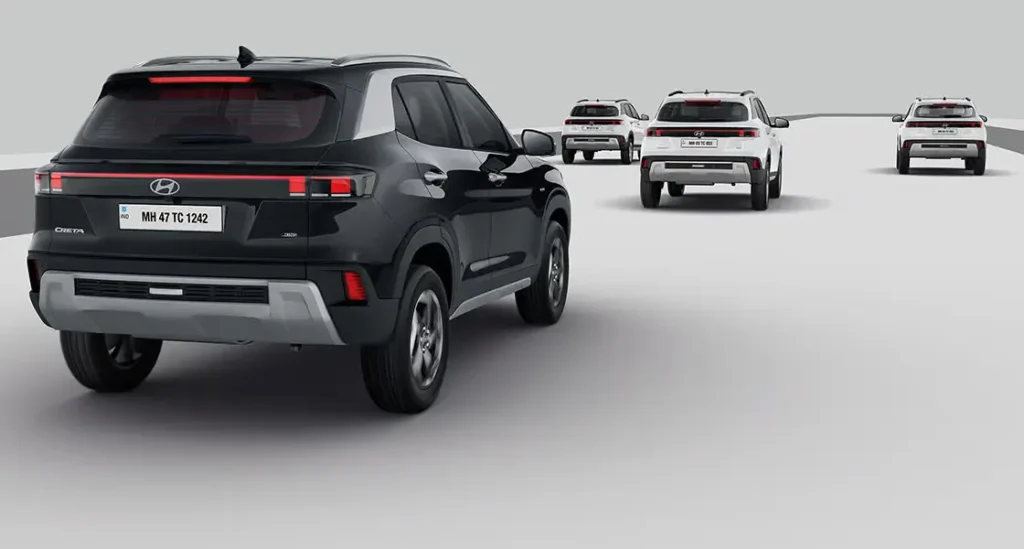
- Adaptive Cruise Control (ACC)
- Lane Keep Assist (LKA)
- Automatic Emergency Braking (AEB)
- Forward Collision Warning (FCW)
- Blind Spot Monitoring
- Traffic Sign Recognition
Important Truth:
ADAS ≠ Autonomous Driving
Your car is not thinking like a human. It is reacting based on sensors and algorithms.
Why ADAS Looks Perfect on Paper
Globally, ADAS has proven results. In developed countries, it:
- Reduces rear-end crashes
- Maintains safe following distance
- Cuts highway fatigue
- Improves reaction time in emergencies
Why does it work so well abroad?
Because those roads have:
✔ Clear lane markings
✔ Predictable traffic behavior
✔ Disciplined driving culture
But India… plays by different rules.
The Indian Road Reality (Where Theory Meets Chaos)
Indian roads are among the most complex driving environments in the world.
Daily Indian Driving Challenges:
- Faded or missing lane markings
- Two-wheelers cutting lanes without warning
- Pedestrians crossing expressways
- Animals appearing suddenly
- Wrong-side driving
- Unpredictable speed changes
- Overloaded autos and trucks
ADAS systems are sensor-dependent, not street-smart.
They don’t understand jugaad. They don’t predict human instinct.
This is where expectations and reality begin to clash.
Feature-by-Feature Reality Check on Indian Roads
1. Adaptive Cruise Control (ACC) – ★★★☆☆
Works best on:
- Access-controlled highways
- Expressways
Struggles when:
- Bikes cut in suddenly
- Vehicles brake unpredictably
Ground Reality:
ACC is genuinely useful only if you’re a frequent highway driver. On chaotic city roads, it becomes more stressful than helpful.
2. Lane Keep Assist (LKA) – ★★☆☆☆
This is where ADAS faces its biggest Indian challenge.
Problems:
- Missing lane markings
- Confusing construction zones
- Camera misinterpretation
Result:
- Constant alerts
- Sudden steering corrections
- Many owners simply switch it OFF
Verdict:
Technologically impressive, practically frustrating.
3. Automatic Emergency Braking (AEB) – ★★★★☆
This is the real hero of ADAS in India.
Where it shines:
- Sudden braking ahead
- Low-speed city collisions
Limitations:
- Occasional unnecessary braking
- Object misinterpretation
Honest Take:
If there’s one ADAS feature that truly saves lives in India, this is it.
4. Traffic Sign Recognition – ★☆☆☆☆
Indian traffic signs are often:
- Broken
- Covered by trees
- Inconsistent
- Multilingual
Reality:
Nice demo feature. Rarely reliable in real life.
5. Blind Spot Monitoring – ★★★☆☆
Helpful for:
- Highway lane changes
- Night driving
But:
- Bikes appear suddenly
- Overloaded autos confuse sensors
Reality:
Helpful assistance—but never trust it blindly.
So… Is ADAS in India Just Marketing? (The Honest Answer)
❌ No, it’s not fake
❌ Yes, it is over-promised
The truth:
ADAS in India is 70% technology, 30% marketing exaggeration.
Manufacturers advertise:
“Advanced safety for Indian roads”
But the fine print quietly says:
“Works best under ideal conditions”
Why Car Companies Are Pushing ADAS Anyway
Brands like Honda, Hyundai, and Tata Motors aren’t foolish—they’re strategic.
Their Reasons:
- Global safety regulations
- Better NCAP ratings
- Premium brand positioning
- Future-readiness
- Indian customer perception
Most importantly, they are collecting Indian driving data to train better AI systems for the future.
The Biggest Hidden Risk: Overconfidence
This is the most dangerous part of ADAS in India.
Many drivers subconsciously think:
“The car will brake for me.”
But ADAS manuals clearly state:
The driver remains fully responsible at all times.
Sensors can fail due to:
- Dust
- Heavy rain
- Fog
- Sun glare
- Dirty windshields
Technology assists—but it never replaces awareness.
When ADAS Actually Makes Sense in India
ADAS is worth it if:
✔ You drive mostly on highways
✔ You understand its limitations
✔ You treat it as support, not control
✔ You are an alert, experienced driver
ADAS is not ideal if:
❌ Your driving is 100% city-based
❌ You expect self-driving behavior
❌ You rely blindly on technology
Cost vs Value: Is ADAS Worth Paying Extra?
Average ADAS premium in India:
₹80,000 – ₹2,00,000+
Honest Verdict:
- AEB + FCW: Absolutely worth it
- Full ADAS suite: Worth it mainly for highway users
The Future of ADAS in India (Hope Is Real)
ADAS isn’t a failure—it’s simply early.
With:
- Better road infrastructure
- Clear lane markings
- AI trained on Indian traffic
- Vehicle-to-vehicle communication
ADAS can become truly effective within the next 5–7 years.
Final Verdict: Reality vs Hype
✔ ADAS is real technology
✔ Safety benefits do exist
❌ Not fully optimized for India yet
❌ Over-marketed without explaining limitations
One-Line Truth That Every Indian Buyer Should Remember:
ADAS in India helps—but only when the driver stays smarter than the system.